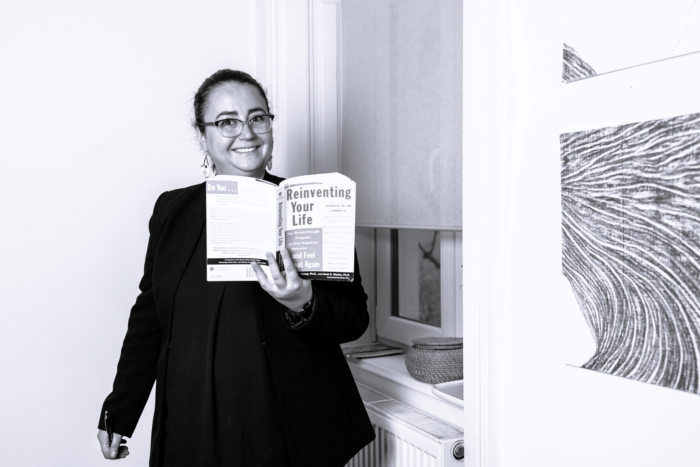
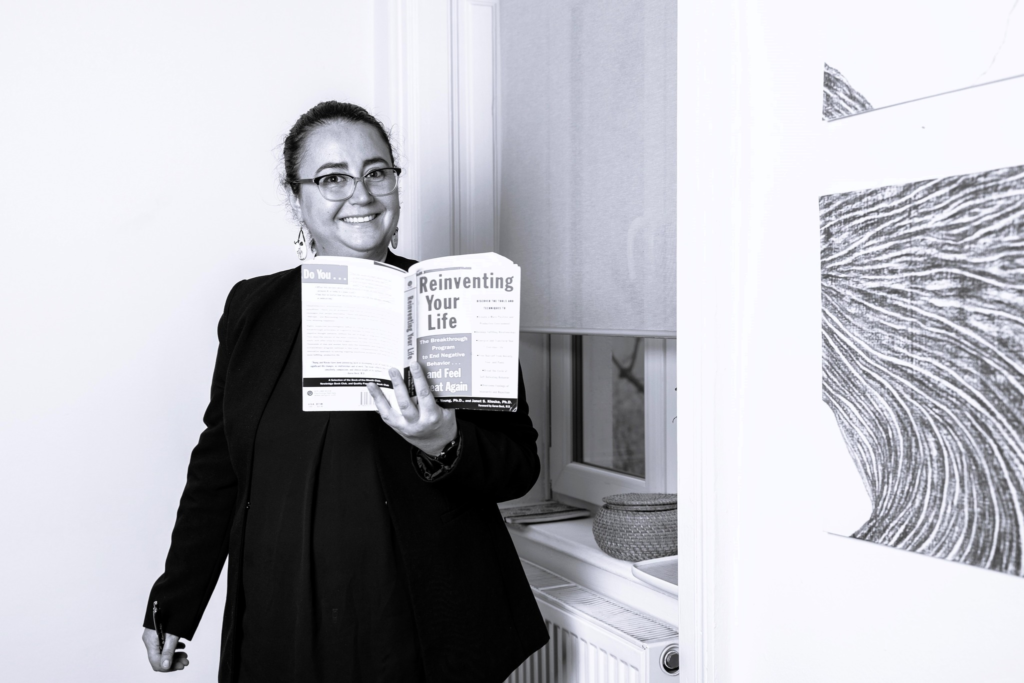
Alexandra Dolea spent over 15 years immersed in the world of archaeology – from directing field excavations to lecturing in universities and writing grant proposals across Europe. Her journey paints the picture of an accomplished scholar with international credentials and deep field expertise. But as with many women in research, the visible success came at an invisible cost.
Burnout, disillusionment, and systemic precarity eventually led Alexandra to question not only her place in academia but the very structures that had shaped her career. What followed wasn’t a dramatic exit but a strategic reinvention. Today, Alexandra is the co-founder of PastForward Hub – a global career platform connecting archaeologists with jobs, colleagues, and resources across academic, commercial, and public sectors
This is not just a story about career change. It’s a roadmap for redesigning work with sustainability, dignity, and autonomy at its core. In this Womazing interview, Alexandra opens up about the long road from fieldwork to entrepreneurship, how she defines professional wellbeing, and why building systems of care is not idealistic – it’s essential.
Discovering a Calling in the Dust
-Many people dream of becoming archaeologists as children. What first inspired you — was there a defining moment or story from your early years that shaped your passion for the field?
–It might surprise you, but I never actually dreamed of being an archaeologist. I wasn’t one of those kids obsessed with mummies or pyramids. I wanted to be a veterinarian – that’s how far away I was from archaeology.
Everything changed thanks to a brilliant high-school history teacher. He encouraged us to dive into research, visit archives, write, and publish even as teenagers. It was empowering to see our work in print for the first time – it made knowledge feel alive.
At university, I initially planned to specialize in Ottoman studies. I even learned Ottoman Turkish for a year! But then came the summer of 2006 – a defining moment. We had to choose between museum work, archival practice, or excavation. Most of my classmates chose excavation for fun, so I joined them at a Roman site near the Black Sea called Tropaeum Traiani.
And that’s where it happened. I remember the exact moment I found a simple stone fragment buried in the ground. It wasn’t gold or jewelry – just a piece of history – but it felt like magic. The thought that someone had touched it 1,500 years ago sent shivers through me. That was it. The ground beneath my hands felt like it was whispering stories.
From that day, there was no way back. Archaeology became my path, my passion, my connection to humanity across time.
The Beauty — and Burnout — of Academic Life
-You’ve spent years in academia. What made you realize it was time to reimagine your career — and eventually help others do the same?
-I never had a grand career plan. I just wanted to do archaeology for the rest of my life, – but academia doesn’t always reward passion. It demands it, and often drains it.
I worked on projects across Romania, Austria, France, Greece, and Turkey. I collaborated with universities and museums, and from the outside, it looked impressive. But behind the scenes, it was extremely unstable. Most of my positions were short-term contracts or fellowships with no benefits. Sometimes you work 12 hours a day, writing reports or managing projects, and you’re not even sure if you’ll be paid.
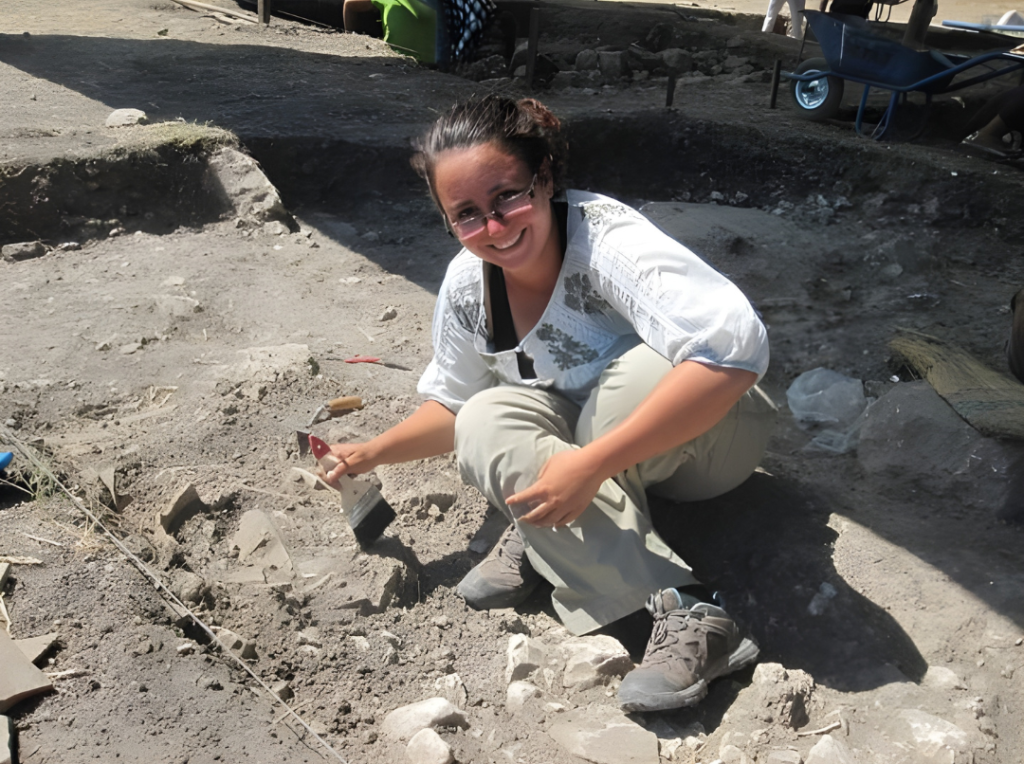
I used to joke that I was a “freelancer in denial.” I didn’t want to be a freelancer, but that’s what I was — constantly applying for grants, juggling deadlines, and living without stability.
Then came the pandemic. My last contract in Vienna ended in late 2020, and suddenly, I was unemployed. I had spent months writing research proposals – none were funded. Overnight, I went from field director to job seeker. For the first time, I couldn’t see my next step.
It wasn’t just professional loss – it was identity collapse. I’d built my self-worth around academic achievement. When that disappeared, I felt empty.
By 2022, I hit burnout and panic attacks, anxiety, and sleepless nights. The irony is that I had dedicated my life to studying ancient civilisations, yet I couldn’t find stability in my own. That realisation changed everything. I hit a wall. And in that space – after the collapse – I started to ask different questions. Like: what if I didn’t go back? What if I built something else? That’s when the idea for PastForwardHub started to take shape.
I started talking. First anonymously, then publicly. I wrote about burnout on social media, and the response was overwhelming. Dozens of people – mostly women – messaged me saying they felt the same.
That’s when I realised: this isn’t just personal. It’s systemic. And it needs infrastructure.
When Passion Becomes Pressure
-This is the ”secret behind of the scenes” of academia, unfortunately. Many professionals in research and academia struggle with burnout, instability, or lack of support. What do people usually share with you – and how do you help them move forward?
-The most common word I hear from academics is “alone.” People feel isolated – as if everyone else is doing fine except them. But behind closed doors, most are struggling with the same things: precarious contracts, overwork, and emotional exhaustion.
When I mentor professionals now, I notice a big shift: it’s not just early-career researchers who feel stuck – it’s mid-career professionals too. They’ve built impressive résumés, but they’re trapped between worlds. They’re “too qualified” for entry roles outside academia, yet “not experienced enough” for corporate positions. That creates deep insecurity and loss of confidence.
We start by identifying their transferable skills – project management, leadership, communication, data organisation, and intercultural understanding — all essential in other sectors. Then we focus on redefining success, shifting from “surviving another grant” to “creating a life that fits your values.”
The turning point often comes when they realise: I have options. It sounds simple, but for someone conditioned by academia, it’s revolutionary.
Creating the Support System She Never Had
-Tell us about PastForwardHub. What inspired you to create it, and how is it helping archaeologists build more sustainable futures?
-PastForwardHub was born out of shared burnout – and shared hope. I met and then partnered with two other women – also archaeologists who had left academia. We asked ourselves: What do we wish had existed when we were in crisis?
That’s how PastForwardHub began – as a global career platform connecting archaeologists with jobs, colleagues, and resources across academic, commercial, and public sectors. It’s a career ecosystem that combines mentoring, networking, and practical skill-building.
We want to offer resources for both career and personal development: mentoring, coaching, and a strong community where people can ask questions, share experiences, and organise workshops or webinars focused on practical skills. Members of the community will also be able to share their expertise – for example, how to use project management tools or apply AI ethically in academic research. Understanding the responsible use of AI, and how to integrate it into everyday research life, is becoming essential.
And since we probably overcomplicated our lives (as archaeologists tend to do!), we’ve already been working on it for nearly a year. We launched a crowdfunding campaign, as everything so far has been built on a volunteer basis. We dedicate our free time to this project and have already invested our own funds to build the website, a brand identity, and a social media presence
We also developed a Discord server to connect the community and created a survey to understand what people truly need – what archaeologists need – from this platform. Our goal is to launch the first version next year, to start testing, refining, and improving as we go.
We’re trying our best – and building something we believe the community truly deserves.
Rethinking Success Beyond Academia
-For those feeling stuck or undervalued in academic or contract-based archaeology, what does a “sustainable career path” look like – and how can they start building one?
-A sustainable career doesn’t mean leaving archaeology – it means redefining your relationship with it. It’s about creating a structure where your work supports your life, not the other way around.
The first step is acknowledging burnout. It’s not weakness – it’s a signal. You can’t build something sustainable on exhaustion.
Next, take inventory of your skills. Academics often underestimate themselves. Archaeologists, for instance, handle logistics, budgets, field teams, communication, and cultural sensitivity daily – all of which translate beautifully to other industries.
And finally, find your community. Academia often breeds isolation, but sustainability comes from connection — people who remind you that you are more than your job title.
The goal isn’t to abandon your passion; it’s to make space for your humanity within it.
Skills beyond the trench: what archaeologists bring to the table
-And what are some skills archaeologists often overlook in themselves?
– So many! Project management. Budgeting. Cross-cultural communication. Public speaking. Writing. Teaching. Data analysis. Event coordination. Language fluency. Negotiation.
But academia often trains us to only speak in academic terms. So these skills aren’t recognised outside the field – and sometimes not even inside it.
PastForwardHub aims to help archaeologists identify, articulate, and leverage these skills – whether they want to stay in academia, freelance, public sectiors or shift to NGOs, publishing, education, or even tech.
“Most archaeologists have five careers’ worth of experience. They just haven’t been taught to name it.”
Turning Pain Into Gain
-Looking back, how did your personal challenges shape your mission – to turn pain into gain, not just for yourself but for others?
-For a long time, I saw my burnout as failure. But pain is also energy – it can destroy you or move you forward. Once I started to speak openly about it, everything changed.
At first, I was terrified. I had no idea what I was going to do. I’ve worked since I was a teenager, so I knew I could do anything – even sell at the market, which I actually did. And that’s fine. You can have a PhD, all the titles in the world, but when you need money, you set your ego aside and do what it takes.
That experience taught me not to be ashamed of working hard or needing financial stability. We don’t talk about that enough- how most people in academia live in precarity. Only a small percentage reach permanent positions. In archaeology, over 90% never do. That’s the reality.
It looked like I had it figured out, but honestly, it was terrifying.
But the moment I started to talk and write openly about my struggles, people began writing to me: “Thank you. I thought I was the only one.” (That’s actually how we met, too – you read that post, she laughs.)
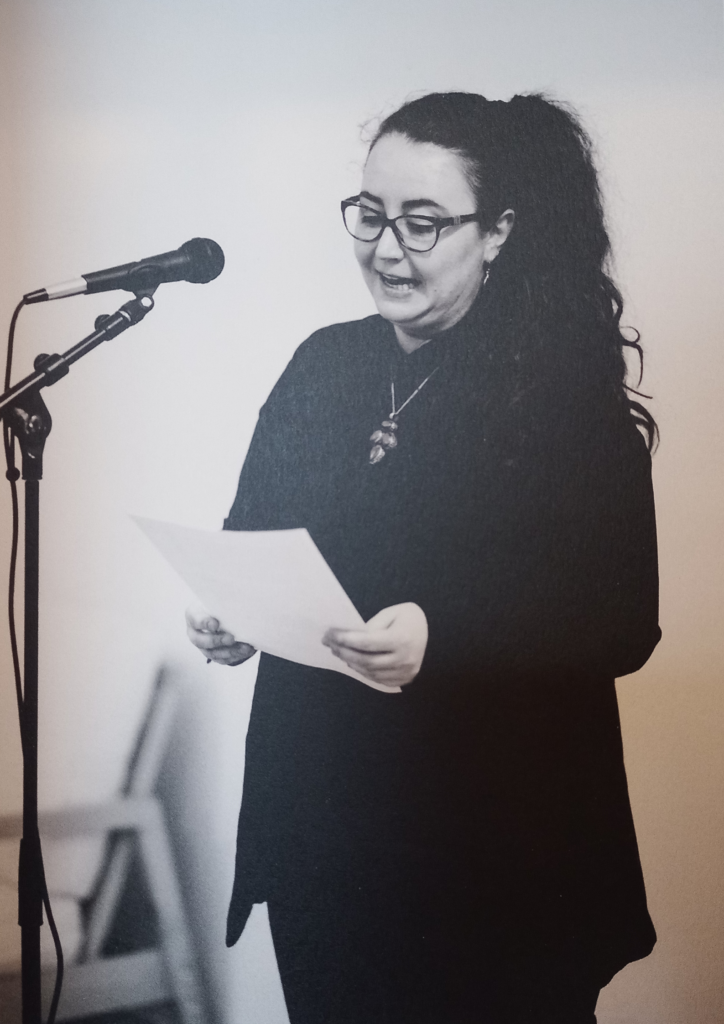
That’s when I realized: my story wasn’t just mine – it was systemic. Silence was the problem. So I began mentoring, creating workshops, and advocating for change. I even presented at the European Association of Archaeologists about the need for professional mentoring and coaching in our field.
Now, every time a mentee tells me they’ve found their next step or rediscovered confidence, I feel that transformation again. It’s proof that healing multiplies when shared.
The Reality Behind Academic Precarity
-In your community surveys, what are the main challenges archaeologists report today?
-Our survey already includes over 250 responses – and the top three challenges are strikingly consistent:
- Difficulty finding stable jobs in archaeology.
- Low pay even for highly qualified professionals.
- Financial insecurity that prevents long-term planning.
How can anyone innovate or stay mentally healthy when they’re constantly in survival mode? It’s not sustainable. Another problem is the perception that academics are “arrogant” or “unrealistic.” In reality, archaeologists manage incredibly complex tasks as we mentioned earlier: budgeting, logistics, fundraising, conflict management, and intercultural collaboration. These are not “soft” skills. They are transferable leadership skills, and there are so many ways to apply those skills in other fields – for the benefit of other professions and society as a whole.
The Future of Archaeology and the Role of AI
-How do you see the future of archaeology and humanities in an era shaped by AI and technology?
-Many archaeologists are afraid of AI – but mostly because they don’t understand it yet. It’s not a monster coming for our jobs; it’s a tool, and like any tool, it depends on how we use it.
AI is already part of our daily life from translation tools to image analysis. In archaeology, it can help process large data sets, recognise patterns, or read ancient inscriptions faster. But it can never replace human interpretation, intuition, or cultural context.
What we need are ethical frameworks – understanding where automation helps and where human expertise must remain central. Instead of resisting it, we should teach the next generation how to use it consciously.
Technology won’t end archaeology. It will expand it – if we learn to integrate it with awareness and respect.
Growing Through Mentoring
-How has mentoring others helped you heal and redefine your own purpose?
-Mentoring saved me. After burnout, I needed a new way to channel my experience – something that gave meaning to the pain. Helping others navigate what I had survived became that channel.
When I mentor someone who’s on the edge of giving up, I understand their pain and I see myself in them. And when they rediscover hope, it feels like both of us heal a little.
I don’t want to fight academia; I want to transform it from within – through compassion, dialogue, and community. Because if the community isn’t well, the discipline isn’t well either.
–And do you think that institutions like universities and heritage organisations are open to collaboration?
-More and more. Some are realising that their graduates need broader support. Others see PastForwardHub as a way to offer something meaningful to alumni.
Redefining Identity Beyond the Title
– Leaving academia isn’t just a professional shift – it’s an identity change. How did you navigate that?
-That was the hardest part. Academia becomes who you are. When you leave, it feels like losing a part of your identity.
But I realised something important: I didn’t stop being an archaeologist. I just changed how I express it. I’m still researching, analysing, connecting people to the past – but now I do it through mentoring, writing, and community building.
Your title doesn’t define your value. Your impact does.
Building a Movement, Not Just a Platform
-What’s next for PastForwardHub, and how can people get involved?
-Right now, people can support us by backing our crowdfunding campaign to bring the first version of PastForward Hub online. The platform will eventually offer both free and premium memberships, partnerships with universities, and even local “hubs” where members can meet in person.
Our mission goes beyond job listings. We want to redefine what success in archaeology looks like – from competition to collaboration, from burnout to balance, from silence to visibility.
Anyone can join by taking our community survey, contributing expertise, or simply spreading the word. Together, we can build a more supportive and sustainable future for researchers everywhere.
Final Reflections: Choosing Yourself
As our conversation closes, Alexandra smiles – not the smile of someone who has all the answers, but of someone who has learned to live the questions.
“I wasn’t brave,” she says. “I was desperate. But sometimes desperation becomes courage when you refuse to give up.”
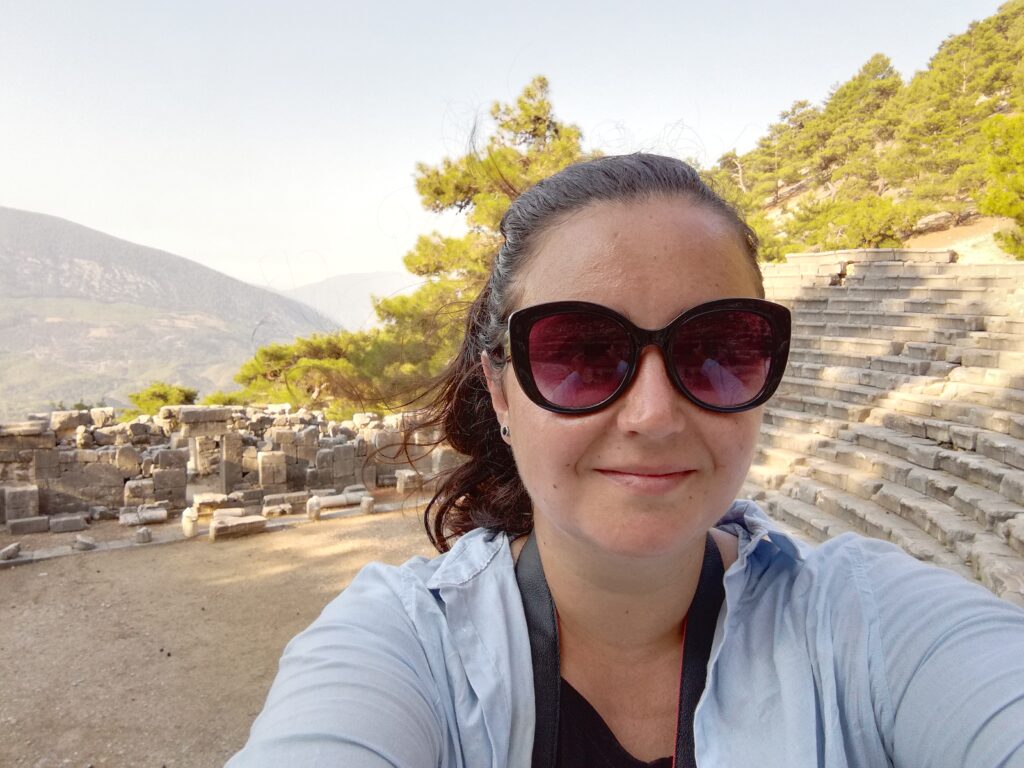
Her words capture the spirit of an entire generation of researchers rethinking what fulfillment means. The excavation may no longer be in the soil – it’s within ourselves, in rediscovering purpose, connection, and joy.
Through PastForwardHub, Alexandra Dolea is not just building a platform. She’s building a movement – one rooted in empathy, resilience, and the belief that sustainable professional careers begin when we choose ourselves.
You can connect with Alexandra here.
If the story resonates with you do not forget to support the movement here.